
Sleep, Cardiovascular Health and Nitric Oxide: What Do We Know?
Why Sleep Duration, Quality and Regularity May Matter to Your Blood Vessels — and What the Science Says About Nitric Oxide
We spend roughly one-third of our lives asleep. For a long time, sleep was treated almost as biological downtime: the body rests, the brain switches off, and everything resumes in the morning. We now know that view is wrong.
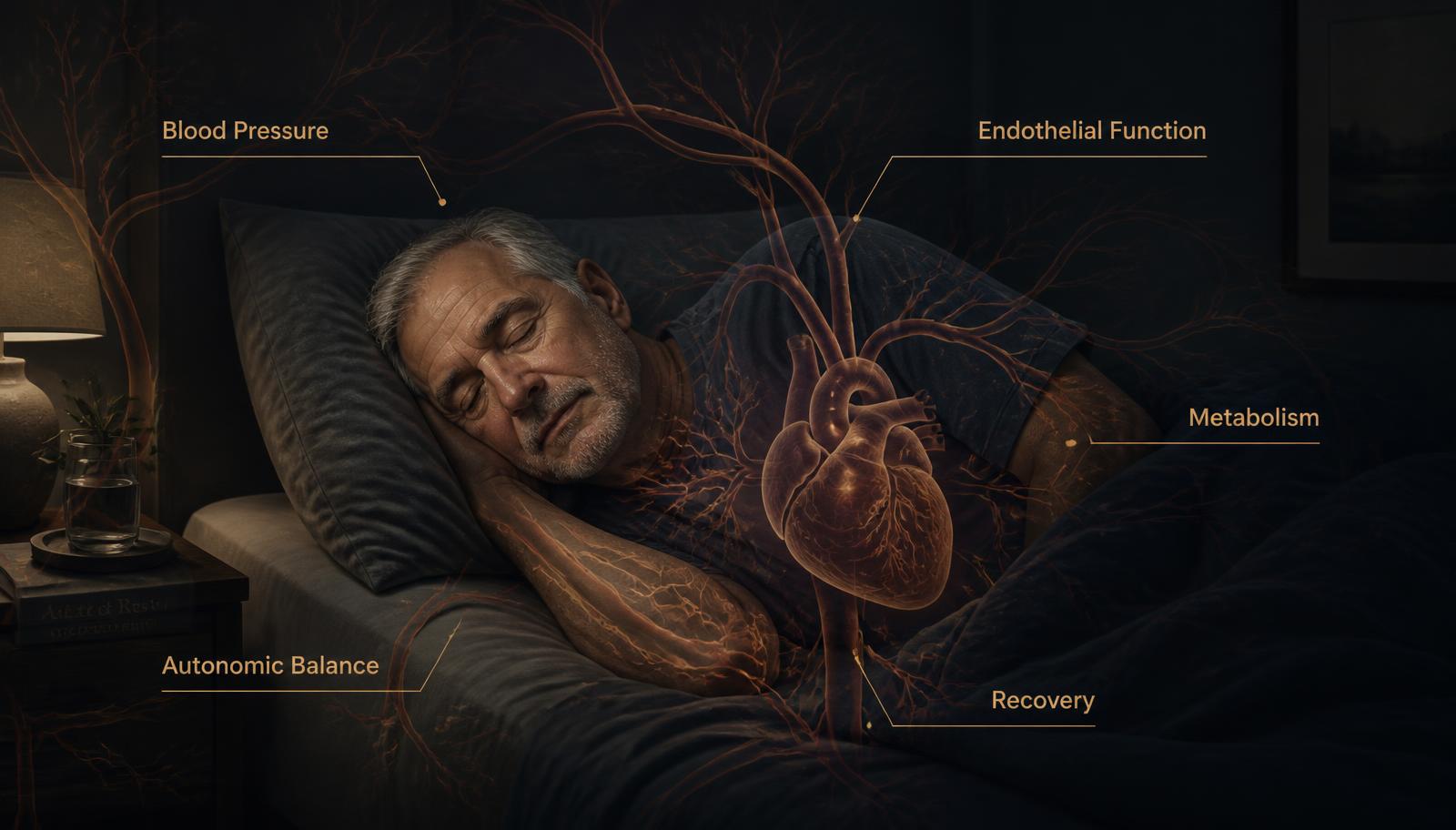
Sleep is an active physiological state involving changes in heart rate, blood pressure, hormones, metabolism, nervous-system activity, inflammation and vascular function. That makes sleep highly relevant to cardiovascular health. It also raises an interesting question: does the way we sleep affect nitric oxide?
The answer is probably — but the relationship is more complicated than simply "more sleep equals more nitric oxide." Human studies show that insufficient and disrupted sleep can impair endothelial function, and some research specifically links habitual short sleep with reduced nitric-oxide-mediated vasodilation [1] [2].
The most scientifically accurate conclusion is not "sleep boosts nitric oxide." It is that healthy sleep appears to help maintain the cardiovascular and endothelial environment in which normal nitric-oxide signaling occurs — and particularly after 50, that becomes increasingly important.
Sleep Is Now Considered Part of Cardiovascular Health
This is a significant change in the way cardiovascular wellness is viewed. The American Heart Association now includes sleep as one of its Life's Essential 8 measures of cardiovascular health. In 2025, the AHA went further with a scientific statement emphasizing that sleep health is multidimensional [3].
It is not only "how many hours did you sleep?" Healthy sleep also includes:
- Regularity
- Timing
- Continuity
- Satisfaction
- Daytime alertness
- The absence or appropriate management of significant sleep disorders
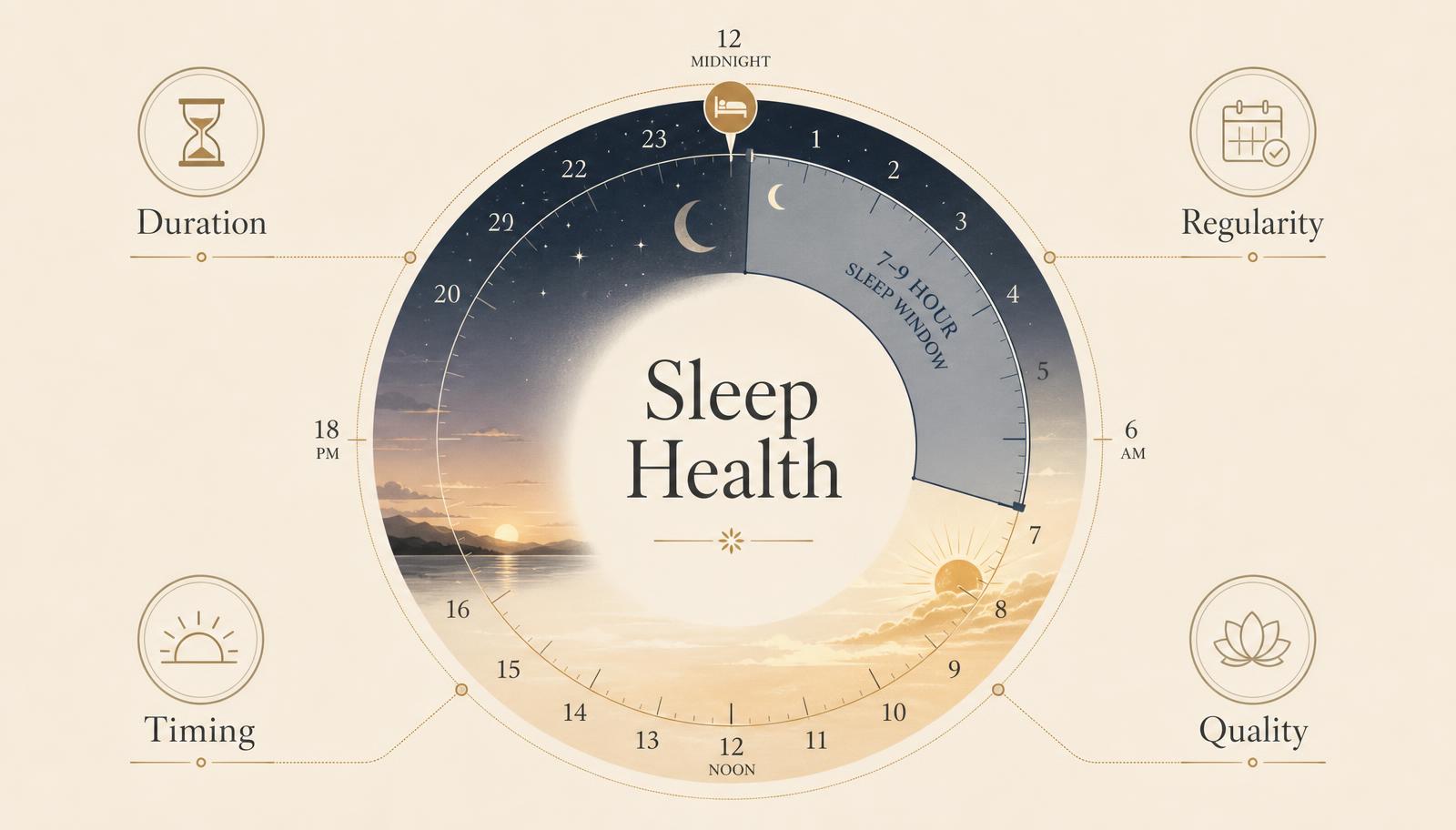
For most adults, the AHA notes that approximately 7–9 hours of sleep per night is generally appropriate, while routinely sleeping less than seven hours is associated with a variety of adverse cardiometabolic outcomes. That does not prove that sleep duration alone causes cardiovascular health or disease. But it establishes something important: sleep belongs in the same lifestyle conversation as exercise, nutrition and smoking.
Your Cardiovascular System Does Not Switch Off at Night
While you sleep, the heart keeps beating. Blood continues circulating. Blood vessels continue regulating flow. But the cardiovascular environment changes. During normal sleep, particularly non-REM sleep, heart rate generally decreases, sympathetic nervous-system activity declines, and blood pressure normally falls.
That normal nighttime decrease in blood pressure is sometimes called nocturnal dipping. The cardiovascular system therefore experiences a different physiological environment during healthy sleep than during waking activity. Sleep is not simply inactivity. It is a different regulated cardiovascular state.
Where Does Nitric Oxide Enter the Picture?
Inside blood vessels is a thin layer of cells called the endothelium. These endothelial cells produce nitric oxide through an enzyme called eNOS — endothelial nitric oxide synthase.
So when researchers investigate whether insufficient sleep affects endothelial function, they are studying a system in which NO plays an important role. But we need to make an important distinction: endothelial dysfunction does not automatically prove reduced nitric oxide. Multiple biological systems influence endothelial function. Fortunately, some human research has gone farther and specifically examined the NO contribution.
Human Research Has Linked Short Sleep With Reduced NO-Mediated Vasodilation
One particularly informative study examined middle-aged men who habitually obtained either approximately 7.7 hours of sleep or approximately 6.1 hours of sleep per night. Researchers measured the blood-flow response to acetylcholine, which stimulates endothelium-dependent dilation. They then used an inhibitor of nitric oxide synthase to determine how much of the response depended on NO.
The men with normal sleep demonstrated a significant NO contribution to the vasodilator response. In the short-sleep group, that NO contribution was substantially diminished. The researchers concluded that habitual short sleep was associated with impaired endothelial-dependent vasodilation due, at least partly, to reduced nitric-oxide bioavailability [4].
That provides a much stronger scientific connection between sleep and NO biology than simply observing that poor sleepers have more cardiovascular problems.
But One Bad Night Is Not the Same as Chronic Poor Sleep
It is easy to hear "poor sleep harms endothelial function" and assume that one restless night suddenly damages your arteries. The evidence does not support such a simplistic conclusion.
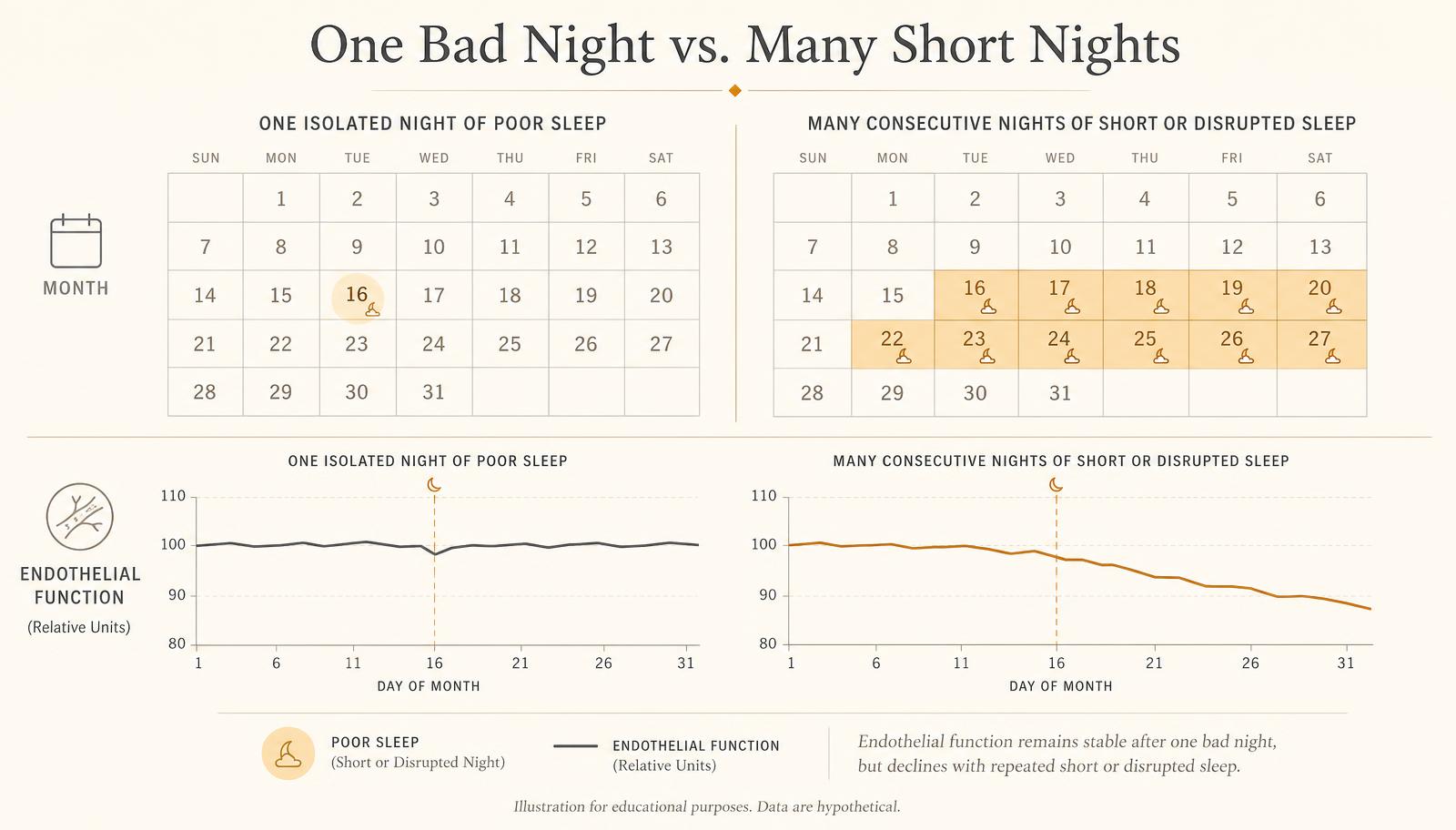
A 2024 study deliberately restricted healthy young adults to only three hours of sleep for one night. Despite the severe acute restriction, researchers found no significant change in flow-mediated dilation or other measured arterial-function outcomes the following morning [5].
Other studies involving longer sleep restriction have shown different results. A randomized study in healthy adults restricted sleep for eight consecutive nights. Participants in the restricted group averaged approximately 5.1 hours of sleep per night, compared with about 6.9 hours in the control group. Flow-mediated dilation declined significantly in the sleep-restricted group [6].
The cardiovascular significance of sleep is probably about patterns, not isolated imperfect nights.
Your Body Is Built to Handle an Occasional Bad Night
Travel. Stress. A sick child. A late flight. Noise. An uncomfortable hotel. Occasionally sleeping poorly is part of being human. The cardiovascular concern is more about habitual short sleep, chronic sleep disruption, repeated circadian disturbance or an untreated sleep disorder.
Healthy aging should not turn sleep into another performance metric that creates anxiety. The objective is not perfect sleep. It is adequate, reasonably consistent, restorative sleep most of the time.
What Does the Larger Evidence Say About Sleep and the Endothelium?
A systematic review examined 24 human studies evaluating sleep deprivation and established measures of endothelial function [2]. The overall findings were that:
- Shorter habitual sleep was associated with poorer macrovascular endothelial function
- Sleep restriction impaired macrovascular and microvascular function
- Total sleep deprivation could impair vascular function
- Shift work was associated with impaired macrovascular endothelial function
The authors also noted something especially relevant to healthy aging: age-related changes in sleep and cardiovascular biology may make older adults more vulnerable to the vascular consequences of inadequate sleep. The evidence is not identical across every study, but the overall direction is meaningful.
How Might Poor Sleep Affect Nitric-Oxide Availability?
Scientists are still working through the precise mechanisms. Several probably interact.
1. Increased Sympathetic Nervous-System Activity
The sympathetic nervous system helps regulate the body's "fight or flight" response. Poor or fragmented sleep can increase sympathetic activity. That changes heart rate, vascular tone and blood-pressure regulation. Repeated sympathetic activation may create a less favorable vascular environment.
2. Oxidative Stress
Nitric oxide is highly reactive and short-lived. One of the major threats to NO bioavailability is superoxide, which can react rapidly with NO. Healthy NO signaling therefore depends not only upon how much NO is produced, but upon how much remains available long enough to perform its signaling role.
Producing NO and Preserving NO Are Different Problems
Imagine the body produces ten units of NO. If nine remain available for signaling, that is very different from a situation in which five are rapidly neutralized. NO production and NO bioavailability are not identical. Poor sleep may affect the system through changes in production, changes in oxidative loss, or both. That is why saying "lack of sleep stops NO production" would be scientifically inaccurate.
3. Inflammation
Sleep restriction can influence inflammatory signaling. Chronic low-grade inflammation and endothelial dysfunction are closely connected. Inflammatory conditions can alter eNOS activity, oxidative stress, vascular responsiveness and NO availability.
4. Blood Pressure Regulation
Healthy sleep usually provides a period during which blood pressure falls. Repeated short or disturbed sleep is associated with less favorable blood-pressure patterns, including reduced nighttime dipping in some individuals. The AHA's 2025 sleep-health statement notes that sleeping fewer than seven hours per night is associated with increased risk of several cardiometabolic abnormalities, including less normal nighttime blood-pressure decline [3]. Blood pressure and endothelial health interact in both directions.
5. Glucose and Metabolic Health
Poor sleep also interacts with insulin sensitivity, glucose regulation, appetite, body weight and physical activity. These may seem removed from nitric oxide. They are not. Metabolic dysfunction is strongly associated with endothelial dysfunction and altered NO bioavailability, so sleep can influence NO biology indirectly by changing the broader metabolic environment.
Sleep, Exercise and Diet Are Not Separate Systems
Sleep affects how energetic you feel, which affects whether you exercise. Poor sleep can influence appetite, which affects food choices. Exercise can influence sleep quality. Diet influences metabolic health. Metabolic health influences endothelial function, which influences NO signaling. The body does not divide lifestyle into separate categories — that is why lifestyle habits tend to work best together.
Sleep Duration Matters — But Duration Is Not the Whole Story
For many years, most sleep research focused on hours slept. That remains important. But modern sleep science is moving toward a more complete idea called multidimensional sleep health. The AHA's 2025 scientific statement identified several dimensions [3]:
- Duration — how long you sleep
- Regularity — how consistent your sleep and wake times are
- Timing — when sleep occurs relative to the body's circadian rhythm
- Continuity — whether sleep remains reasonably uninterrupted
- Satisfaction — whether sleep feels restorative
- Alertness — how well you function while awake
- Sleep architecture — how sleep stages are distributed through the night
So two people who both record seven hours may not necessarily have equivalent sleep health.
Consistency May Matter More Than We Once Realized
Consider someone who sleeps five hours Monday, nine hours Tuesday, six hours Wednesday and ten hours Saturday. The average might appear reasonable, but the biological rhythm is highly irregular. Current evidence increasingly links irregular sleep timing and duration with cardiometabolic and cardiovascular risk. The 2025 AHA statement specifically emphasizes sleep regularity as an emerging component of cardiovascular sleep health, while acknowledging that more causal research is needed.
Your Body Has a Clock
Human physiology operates according to approximately 24-hour rhythms called circadian rhythms. These influence sleep, hormone secretion, body temperature, metabolism, blood pressure and cardiovascular activity. Light is one of the strongest environmental signals setting this internal clock.
Shift work, rapidly changing schedules and chronic sleep at biologically unusual times can disrupt circadian alignment. Human studies included in the systematic review of sleep deprivation and endothelial function found evidence that shift work can impair macrovascular endothelial function [2]. When you sleep may matter alongside how long you sleep.
What About Sleeping Too Much?
Population studies often find a U-shaped relationship: very short sleep is associated with worse cardiovascular outcomes, and very long sleep can also be associated with worse outcomes. But this does not necessarily mean that extra sleep itself is damaging. Long sleep may sometimes be a marker for underlying illness, poor sleep quality, sleep disorders, depression, low physical activity or other health conditions.
So the advice should not be "never sleep more than nine hours." A consistently unusual need for sleep — especially accompanied by fatigue — may simply deserve attention.
Sleep After 50 Is Often Different
Sleep commonly changes with age. Older adults may experience:
- Earlier sleep and wake times
- More nighttime awakenings
- Lighter sleep
- Changes in sleep architecture
- Greater prevalence of medical conditions or medications that affect sleep
That does not mean "poor sleep is normal after 50, so accept it." Nor does it mean every awakening is a problem. The goal remains sufficient, restorative sleep appropriate for the individual — and it becomes especially relevant because vascular aging is occurring simultaneously.
Why Sleep May Matter More When NO Availability Is Already Declining
Advancing age is commonly associated with reduced endothelial NO bioavailability, greater oxidative stress, changes in eNOS regulation and increasing arterial stiffness. Now add chronic insufficient sleep, poor metabolic health, inactivity or sleep apnea. The effects do not live in separate compartments — they can influence the same cardiovascular environment. Supporting sleep after 50 is not merely about feeling less tired. It is part of supporting the broader physiology of healthy aging.
One Sleep Problem Deserves Special Attention: Obstructive Sleep Apnea
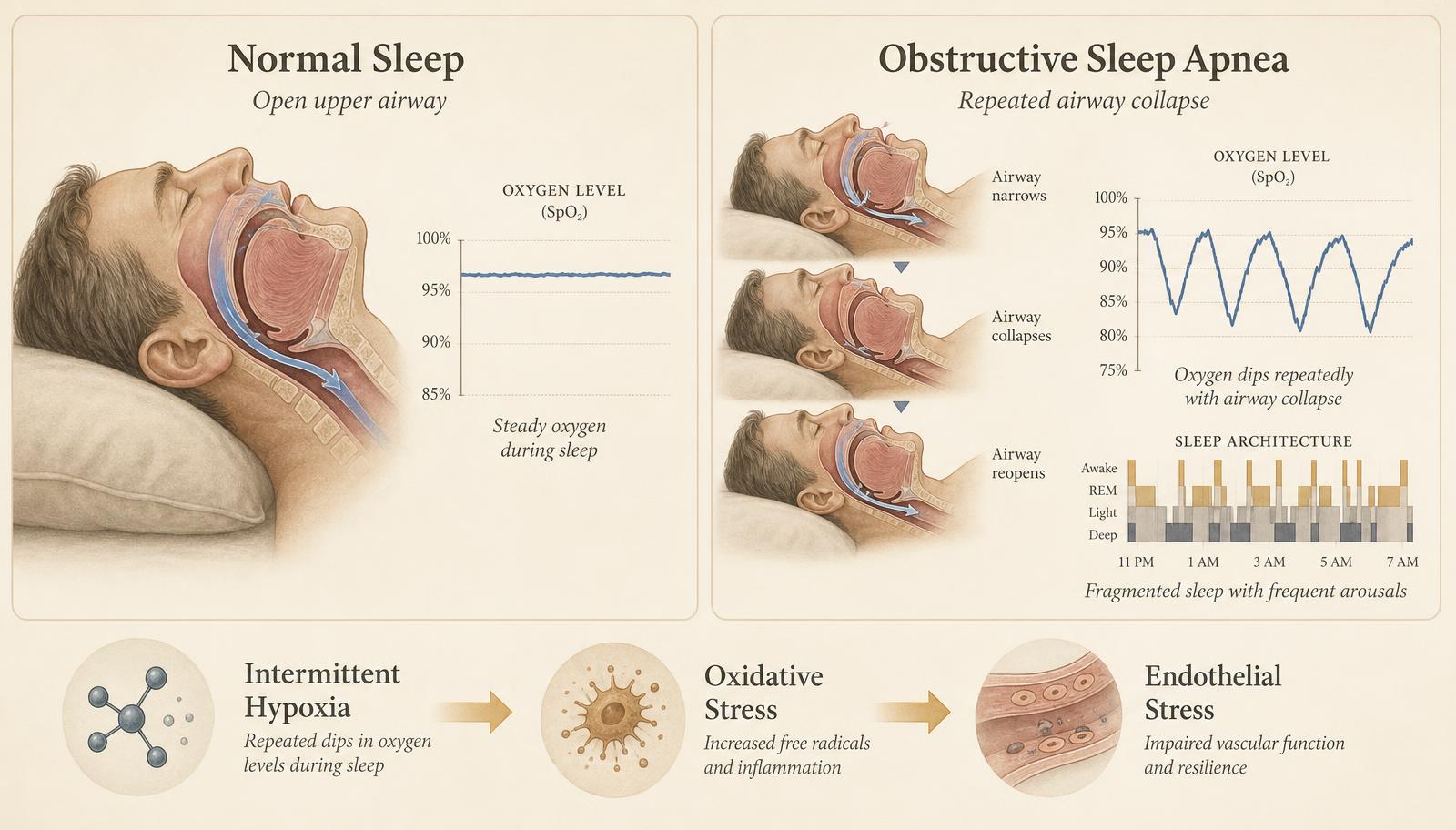
Obstructive sleep apnea — OSA — is very different from simply staying up too late. During OSA, the upper airway repeatedly narrows or closes during sleep. Breathing can stop temporarily. Blood oxygen falls. The person partially awakens enough to reopen the airway. Then the cycle may repeat many times through the night. This produces episodes of intermittent hypoxia and sleep fragmentation. OSA has a well-established association with cardiovascular risk and endothelial dysfunction [7].
Why Sleep Apnea Is Particularly Relevant to Nitric Oxide
Repeated cycles of low oxygen followed by reoxygenation can generate oxidative stress, and that oxidative environment can work against nitric-oxide bioavailability. Reviews of OSA vascular biology identify intermittent hypoxia, oxidative stress, inflammation, sympathetic activation and reduced NO bioavailability among mechanisms potentially contributing to endothelial dysfunction [8]. That creates a much more direct cardiovascular concern than occasionally getting six hours of sleep.
Snoring Is Not Always Harmless
Not everyone who snores has sleep apnea. But possible warning signs can include:
- Loud habitual snoring
- Witnessed pauses in breathing
- Gasping or choking during sleep
- Pronounced daytime sleepiness
- Morning headaches
- Difficulty concentrating
- Resistant or difficult-to-control blood pressure
These symptoms should not be treated with a nitric-oxide supplement instead of investigating the underlying sleep problem. If significant sleep apnea is suspected, appropriate medical evaluation matters.
Treating Sleep Apnea May Improve Endothelial Function
Continuous positive airway pressure — CPAP — is commonly used to maintain airway openness in obstructive sleep apnea. A large 2025 meta-analysis examining 74 studies found that CPAP treatment in adults with OSA was associated with significant improvement in flow-mediated dilation, indicating improved endothelial function, along with some favorable metabolic changes [9].
However, effects of CPAP on every cardiovascular endpoint have not been uniformly demonstrated, and outcomes can depend on factors including treatment adherence and patient characteristics. The lesson is not "CPAP increases nitric oxide." It is that correcting serious sleep-disordered breathing can improve aspects of the vascular environment that OSA disrupts.
Can You "Boost Nitric Oxide" While You Sleep?
You may encounter claims that particular breathing techniques, sleep positions, foods, supplements or nighttime routines dramatically increase NO during sleep. Some of these ideas have biological plausibility. But the evidence supporting large, predictable cardiovascular NO effects from simple "sleep hacks" is limited.
The more evidence-based strategy is far less exotic: improve sleep health itself. Get enough sleep. Keep a reasonably regular schedule. Address persistent sleep problems. Exercise during the day. Eat well. Avoid smoking. And investigate possible sleep apnea when appropriate.
What About Nasal Breathing and Nitric Oxide?
The paranasal sinuses produce nitric oxide, and nasal NO is part of respiratory physiology. That fact sometimes gets converted into sweeping claims that nasal breathing during sleep will dramatically increase systemic cardiovascular nitric oxide. That conclusion goes beyond the evidence.
Nasal breathing is normal physiology and has legitimate respiratory functions. But NO produced in the upper airway should not be confused with endothelial NO produced by eNOS inside blood vessels. They involve the same molecule in different physiological contexts — a distinction that matters if we want to keep NO education scientifically credible.
What About Supplements Before Bed?
There is no universal scientific rule saying all NO-related ingredients should be taken at night. Different formulations, ingredients and goals have different considerations. The larger point is that supplement timing cannot compensate for chronically inadequate sleep. Nutritional support and sleep support different aspects of the same cardiovascular system.
A Practical Sleep Routine for Cardiovascular Wellness
- Aim for adequate sleep — for most adults, roughly 7–9 hours is a useful general target
- Keep the schedule reasonably consistent, avoiding dramatic swings in bedtime and waking time
- Use light to support your body clock — daytime and morning light reinforce normal circadian timing
- Move during the day; regular activity supports both cardiovascular health and sleep
- Watch late stimulants — caffeine can remain biologically active for hours
- Be thoughtful with alcohol, which may cause sleepiness initially but disrupt sleep later
- Create a sleep environment that works — cool, dark and reasonably quiet
- Pay attention to persistent problems such as chronic insomnia, daytime sleepiness or possible apnea
Don't Turn Sleep Into Another Source of Stress
Sleep trackers have made people increasingly aware of sleep stages, heart rate, oxygen saturation, wake events and sleep scores. These tools can sometimes be useful. But consumer wearables are not clinical sleep laboratories, and trying desperately to achieve a "perfect" sleep score can itself interfere with sleep. Use technology as information, not judgment. You do not need a score of 100 for your cardiovascular system to benefit from a good night's sleep.
Where ėNOS Fits
An important distinction: eNOS is endothelial nitric oxide synthase — the natural enzyme involved in vascular nitric-oxide production. ėNOS is a dietary supplement from Australiana Life, formulated around nitric-oxide science to support the body's natural NO system, healthy circulation and cardiovascular wellness. Its core combination of L-arginine + L-citrulline provides complementary nutritional support for arginine availability relevant to the natural eNOS pathway.
Sleep and ėNOS therefore address different sides of cardiovascular wellness: healthy sleep helps support the physiological and metabolic environment, while ėNOS provides targeted nutritional support for the NO-production pathway. Neither replaces the other.
You Cannot Supplement Your Way Out of Chronic Poor Sleep
A supplement cannot create normal sleep architecture, correct chronic sleep deprivation, restore a disrupted circadian rhythm or treat obstructive sleep apnea. ėNOS does not need to do those things to have a valuable role. Its role is nutritional. Sleep's role is physiological recovery and regulation. Exercise provides mechanical and metabolic stimulus. Diet provides the broader nutritional environment. Together, these habits support different components of the same cardiovascular system.
The Healthy-Aging Opportunity Is to Combine Them
After 50, several trends can begin converging: sleep may become more fragmented, exercise may decrease, metabolic health may change, arteries tend to become stiffer and NO bioavailability can decline. Instead of asking "which single thing gives me more nitric oxide?" a stronger set of questions is: am I sleeping well, moving enough, eating well, maintaining muscle, supporting my cardiovascular nutrition and addressing medical problems rather than ignoring them? That is healthy aging viewed as a system.
What Do We Actually Know?
- Healthy sleep is strongly associated with cardiovascular and cardiometabolic health
- Habitual insufficient sleep is associated with impaired endothelial function
- Experimental sleep restriction lasting several nights can impair endothelial responsiveness
- Human evidence specifically links habitual short sleep with reduced NO-mediated endothelial vasodilation
- Sleep apnea can create intermittent hypoxia, oxidative stress and endothelial dysfunction, with reduced NO bioavailability considered one potential mechanism
- Treating obstructive sleep apnea with CPAP can improve endothelial function in many patients
Those conclusions rest on the AHA sleep-health statement [3], the systematic review of sleep deprivation and endothelial function [2], experimental sleep-restriction trials [6], direct NO-inhibition research [4], OSA mechanism reviews [8] and the 2025 CPAP meta-analysis [9].
What Don't We Know Yet?
We cannot say that:
- Every poor night directly lowers NO by a predictable amount
- Sleeping an extra hour automatically increases NO
- There is one perfect sleep duration for every person
- Every sleep intervention improves cardiovascular outcomes
- Improving sleep alone can overcome an otherwise unhealthy lifestyle
And we should be skeptical of anyone claiming they can calculate exactly how much nitric oxide your sleep routine is producing. The science is more complicated. That is not a weakness. It is reality.
Sleep Is Not Passive Time
Exercise asks the cardiovascular system to perform. Nutrition supplies raw materials. Sleep creates a different opportunity: time for normal physiological regulation to occur without the demands of waking life. Good sleep supports autonomic regulation, metabolic health, blood-pressure rhythms, inflammatory balance and endothelial function. Nitric oxide appears to be part of that larger vascular story.
Perhaps the best question is not "how can I boost nitric oxide while I sleep?" but "am I giving my cardiovascular system the sleep environment it needs to function normally?"
Your Heart Works All Night. Give It a Healthy Night to Work In.
Sleep is sometimes the lifestyle habit people sacrifice first. One more television episode. One more email. One more hour online. And unlike missing a workout, the consequences are not immediately visible.
But the body keeps count in its own way — blood pressure, metabolism, hormones, nervous-system activity, endothelial function and potentially the availability of signals such as nitric oxide. One imperfect night does not define your health. But repeated habits matter.
So move during the day. Eat well. Support your circulation. And when the day is finished, let sleep be part of your cardiovascular-health strategy too.
Scientific References
[1] St-Onge MP, Aggarwal B, Fernandez-Mendoza J, et al. Multidimensional Sleep Health: Definitions and Implications for Cardiometabolic Health: A Scientific Statement From the American Heart Association.
Circulation: Cardiovascular Quality and Outcomes. 2025. Contemporary AHA statement describing duration, regularity, timing, continuity, satisfaction and other dimensions of sleep as contributors to cardiometabolic health.
PubMed / National Library of Medicine →[2] Holmer BJ, Lapierre SS, Jake-Schoffman DE, Christou DD. Effects of sleep deprivation on endothelial function in adult humans: a systematic review.
GeroScience. 2021;43(1):137–158. PMID: 33558966. Systematic review of 24 human studies reporting associations between sleep deprivation, short sleep, shift work and impaired macrovascular and/or microvascular endothelial function.
PubMed / National Library of Medicine →[3] American Heart Association. Multidimensional Sleep Health: Definitions and Implications for Cardiometabolic Health.
2025 Scientific Statement. Identifies sleep duration, regularity, timing, continuity and other sleep dimensions as relevant to cardiovascular and metabolic health; approximately 7–9 hours nightly is appropriate for most adults.
American Heart Association →[4] Weil BR, Mestek ML, Westby CM, et al. Insufficient sleep is associated with impaired nitric oxide-mediated endothelium-dependent vasodilation.
PMID: 28846879. Human study in middle-aged men finding habitual short sleep was associated with impaired endothelium-dependent vasodilation attributable in part to diminished NO bioavailability.
PubMed / National Library of Medicine →[5] Acute Partial Sleep Restriction and Arterial Function.
Experimental Physiology. 2024. PMID: 38900696. Study in healthy young adults finding that one night restricted to three hours of sleep did not significantly impair measured arterial function, illustrating that acute and chronic sleep loss should not be treated as equivalent.
PubMed / National Library of Medicine →[6] Calvin AD, Covassin N, Kremers WK, et al. Experimental Sleep Restriction Causes Endothelial Dysfunction in Healthy Humans.
Journal of the American Heart Association. 2014;3. PMID: 25424573. Randomized experimental study showing impaired flow-mediated dilation after eight nights of partial sleep restriction.
PubMed / National Library of Medicine →[7] Obstructive Sleep Apnea and Cardiovascular Health.
Contemporary systematic-review literature continues to associate OSA with hypertension, endothelial dysfunction and increased cardiovascular risk.
PubMed / National Library of Medicine →[8] Phillips CL, et al. Does obstructive sleep apnea cause endothelial dysfunction? A critical review of the literature.
PMID: 25088969. Review identifying intermittent hypoxia, oxidative stress and reduced nitric-oxide bioavailability among mechanisms potentially connecting OSA with endothelial dysfunction.
PubMed / National Library of Medicine →[9] Daneshvar S, et al. Evaluating the endothelial and metabolic effects of CPAP therapy in obstructive sleep apnea patients: insights from a comprehensive meta-analysis.
Sleep Medicine Reviews. 2025;84:102187. PMID: 41202518. Meta-analysis of 74 studies finding CPAP treatment associated with significant improvement in flow-mediated dilation in adults with obstructive sleep apnea.
PubMed / National Library of Medicine →
Continue the Lifestyle & Healthy Aging Journey
- LIFESTYLE HABITS THAT SUPPORT HEALTHY NITRIC OXIDE PRODUCTION →
See where sleep fits alongside movement, diet, oral health and metabolic wellness.
- EXERCISE & NITRIC OXIDE: WHY MOVEMENT MATTERS →
Explore how daytime movement creates the endothelial stimulus that sleep alone cannot provide.
- DIET & NITRIC OXIDE: HOW EVERYDAY FOOD CHOICES MATTER →
See how everyday meals influence the nutritional and metabolic environment for NO biology.
- WHY NITRIC OXIDE PRODUCTION CHANGES WITH AGE →
Go deeper into the vascular changes that make lifestyle support increasingly relevant after midlife.
DISCOVER HOW ĖNOS FITS INTO A HEALTHY-AGING LIFESTYLE
Good sleep does not replace exercise, exercise does not replace good nutrition, and nutritional supplementation does not replace healthy sleep — they support different parts of the same system. ėNOS by Australiana Life complements these healthy-aging habits by providing L-arginine + L-citrulline and deliberately selected supporting nutrients in a consistent daily formulation designed to support the body's natural nitric-oxide system, healthy circulation and cardiovascular wellness.
EXPLORE ĖNOS →This article is provided for informational purposes only and is not intended as medical advice or to diagnose, treat, cure or prevent disease. Persistent insomnia, excessive daytime sleepiness, loud snoring, witnessed breathing pauses or other symptoms suggesting a sleep disorder should be appropriately evaluated. ėNOS is a dietary supplement formulated to support the body's natural nitric-oxide system, healthy circulation and cardiovascular wellness. It is not intended to treat sleep disorders or obstructive sleep apnea. Dietary supplements should complement, rather than replace, appropriate nutrition, physical activity, healthy sleep and medical care.
More in Lifestyle & Healthy Aging
- Nitric Oxide & Exercise Performance
- Nitric Oxide & Exercise Recovery
- Lifestyle Habits That Support Healthy Nitric Oxide Production
- Exercise & Nitric Oxide: Why Movement Matters
- Can a Sedentary Lifestyle Affect Nitric Oxide & Circulation?
- Diet & Nitric Oxide: How Everyday Food Choices Matter
- Smoking, Vascular Health & Nitric Oxide
- Nitric Oxide, Energy & Staying Active as We Age
- Nitric Oxide & Men's Sexual Health: The Blood-Flow Connection
- Nitric Oxide & Oral Health: The Surprising Connection
- Nitric Oxide & Aging: What Changes After 40, 50 and Beyond?
- Why Does Nitric Oxide Production Change With Age?
- Healthy Aging: Supporting Circulation, Blood Flow & Nitric Oxide After 50
- Nitric Oxide and Brain Health/Cognition
About Our Health & Science Content
Australiana Life Health & Science articles are based on published scientific research and written to make complex health and nitric oxide science easier to understand. Our educational content undergoes scientific review for accuracy and appropriate interpretation of the evidence and is updated as relevant scientific understanding evolves.