
Nitric Oxide and Brain Health: The Connection Between Blood Flow, Signaling and Cognition
Your Brain Is a Small Part of the Body — But It Has Enormous Energy Demands
Your Brain Is a Small Part of the Body — With Enormous Energy Demands
The human brain lets us think, remember, learn, plan, speak, move, imagine and decide. All of that activity comes with a demanding biological requirement: a continuous supply of blood.
Although the adult brain represents only about 2% of body weight, it accounts for roughly 20% of the body's oxygen consumption at rest. [1] Unlike tissues that can store substantial energy reserves, the brain depends heavily on continuous delivery of oxygen and glucose through the circulation.
That creates an intriguing connection between brain health, blood-vessel health and nitric oxide (NO). NO helps regulate blood vessels throughout the body — but in the brain the story becomes more interesting still, because NO is also a signalling molecule within the nervous system itself.
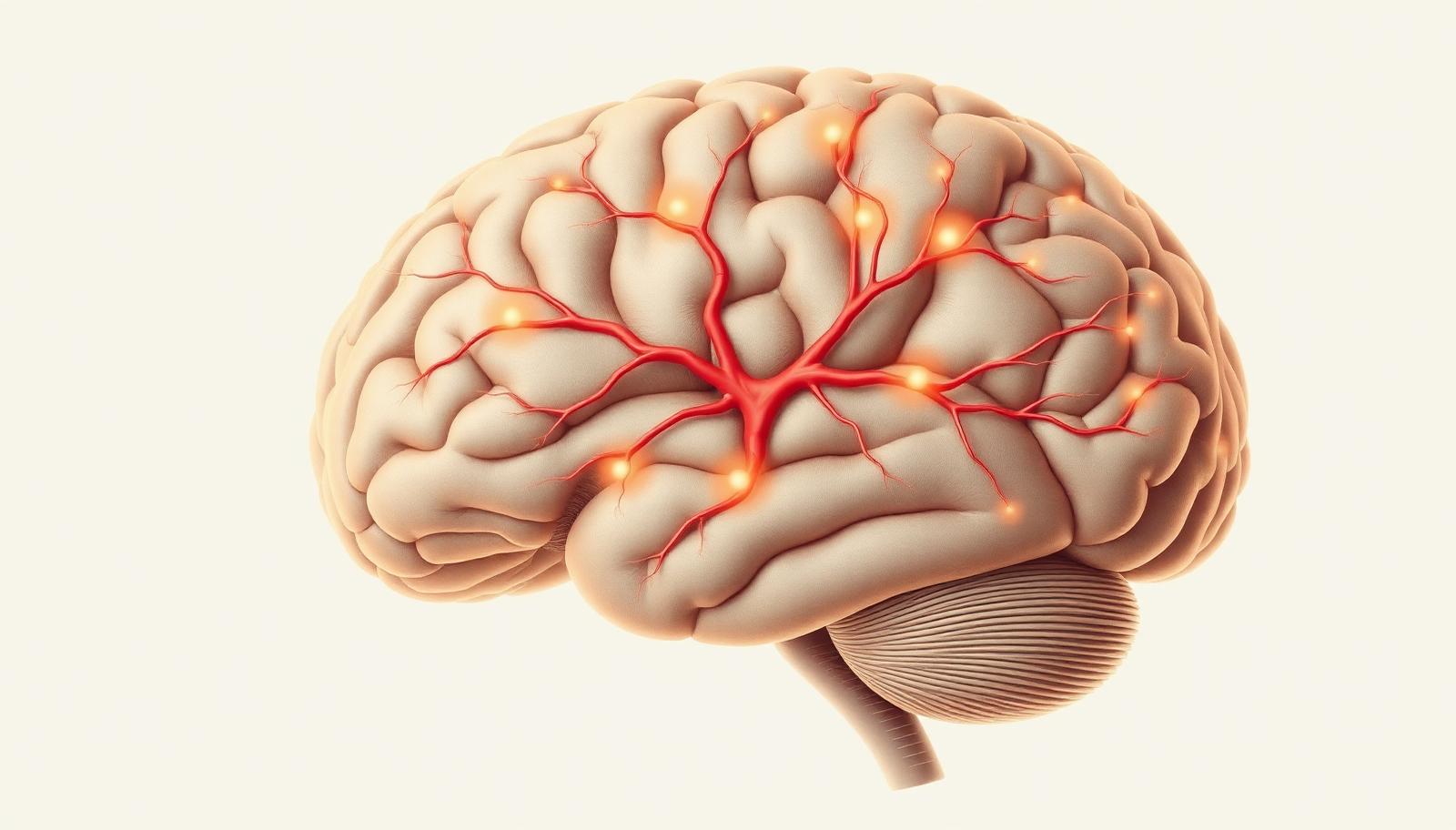
Your Brain Never Really Switches Off
Even while you sit quietly, billions of neurons are maintaining electrical gradients, communicating, processing sensory information, controlling movement, regulating organs and storing and retrieving information. All of it requires energy.
So the brain needs a vascular system capable of continually matching blood supply to changing local demand — what physiologists call cerebral blood-flow regulation. Blood is not simply distributed evenly all of the time. When particular areas become more active, local blood flow can increase. Your brain sends resources to where the work is happening.
When You Think, Blood Flow Changes
Reading this sentence activates areas involved in vision, language, attention and comprehension. Those neurons require energy, local metabolic demand changes, nearby vessels respond, and blood flow is adjusted toward the active tissue. This process is called neurovascular coupling, and nitric oxide is one of several signalling molecules involved in it. [2][3]
The Brain and Its Blood Vessels Are a Team
For many years brain research concentrated primarily on neurons. Modern neuroscience has revealed a far more interconnected picture, in which neurons interact with astrocytes, pericytes, endothelial cells and vascular smooth muscle as part of what scientists describe as the neurovascular unit. [2]
Brain function and vascular function are therefore not entirely separate subjects. The brain communicates with its blood vessels, and those vessels respond to the metabolic requirements of brain tissue. Nitric oxide participates in that conversation.
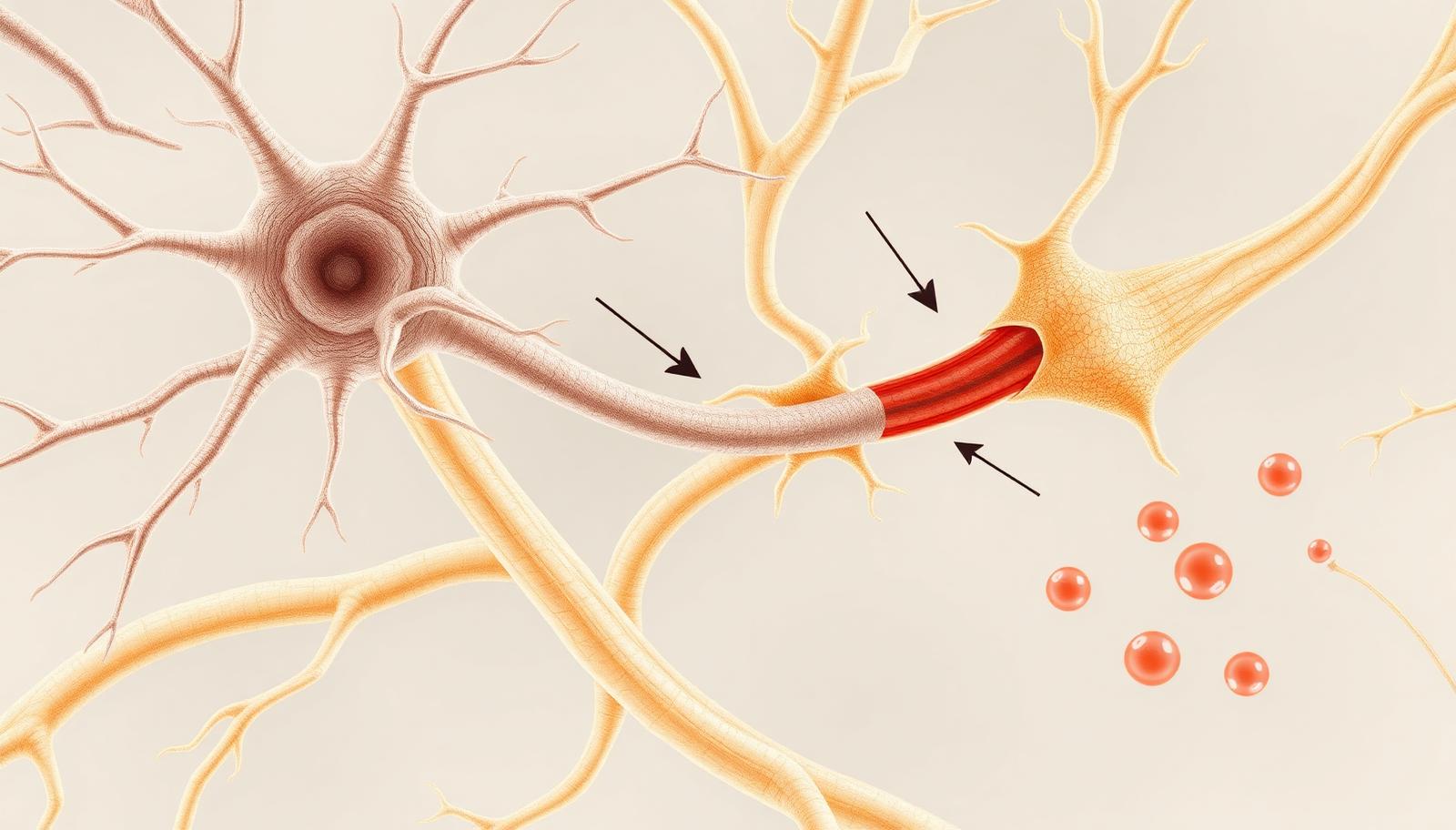
There Isn't Just One Nitric Oxide System
Nitric oxide can be produced by several related enzymes called nitric oxide synthases. Three major forms are commonly discussed.
eNOS — Endothelial Nitric Oxide Synthase
Found prominently in vascular endothelial cells. It contributes to the NO signalling involved in normal vascular tone and blood-flow regulation.
nNOS — Neuronal Nitric Oxide Synthase
Found in neurons and other tissues. It produces NO involved in neuronal signalling and aspects of nervous-system function.
iNOS — Inducible Nitric Oxide Synthase
Usually expressed differently from eNOS and nNOS, and can become strongly activated during immune and inflammatory responses.
These enzymes all produce nitric oxide — but not necessarily in the same place, at the same time, in the same amount, or for the same biological purpose.
The effect of nitric oxide depends upon context: which enzyme made it, where, how much and under what conditions.
eNOS: The Vascular Side of the Brain Story
The brain contains an enormous network of blood vessels whose inner surface is lined with endothelial cells. Within those cells, eNOS uses L-arginine as substrate to produce nitric oxide, which can then diffuse toward surrounding vascular smooth muscle and participate in signalling that influences vessel relaxation and vascular tone.
Healthy endothelial NO signalling contributes to the vascular environment supporting normal cerebral circulation. [3][4] This does not mean more NO automatically means better thinking. It does establish an important connection: brain function depends upon circulation, and NO is involved in regulating that circulation.
nNOS: When Nitric Oxide Becomes a Neural Messenger
Neurons can also produce nitric oxide, through nNOS. Unlike conventional neurotransmitters stored in vesicles and released across a synapse, NO is a small gaseous molecule able to diffuse across cell membranes — which gives it unusual signalling properties.
Neuronal NO has been studied in relation to:
- synaptic signalling
- neural plasticity
- learning
- memory
- regulation of cerebral blood flow
[5][6] This is one reason nitric oxide occupies such an unusual position in neuroscience: it can participate in both vascular and neuronal communication.
Vascular NO
Endothelial cell → eNOS → NO → vascular smooth muscle → vessel tone and cerebral blood flow.
Neuronal NO
Neuron → nNOS → NO → local neural signalling, plasticity and communication.
Nitric Oxide and Memory: What Do We Actually Know?
This is an area where caution matters. Experimental research has linked neuronal NO signalling with mechanisms involved in synaptic plasticity — the ability of connections between neurons to strengthen or weaken over time. One well-studied form is long-term potentiation (LTP), examined as a cellular mechanism associated with learning and memory, and research has implicated NO in some forms of LTP and neural plasticity. [5][6]
That makes the connection between NO and cognition scientifically fascinating. It does not mean "take an NO supplement and improve your memory" — that leap has not been established.
Nitric oxide participates in biological processes relevant to neuronal signalling and memory, while vascular NO contributes to the circulation upon which brain tissue depends. That is already an important story without overstating it.
Blood Flow and Cognition Become More Important With Age
Ageing affects more than neurons. Blood vessels age too:
- Endothelial function can decline
- Arterial stiffness tends to increase
- NO bioavailability may decrease
- Cardiovascular and metabolic risk factors become more common
At the same time, maintaining cognitive function becomes increasingly important to quality of life. Research increasingly recognises that cardiovascular risk factors such as hypertension, diabetes, smoking and physical inactivity can also influence long-term cognitive and cerebrovascular health. [7][8] The heart and brain are not separate health projects. They share the same circulation.
The Brain Sits at the End of the Cardiovascular System
We tend to divide medicine into categories — heart health, brain health, metabolic health. Your biology does not recognise those departments. Blood leaving the heart eventually travels toward the brain, and the cerebral vessels receiving it are part of the same vascular system influenced by blood pressure, endothelial function, glucose regulation, lipids, smoking, physical activity and ageing.
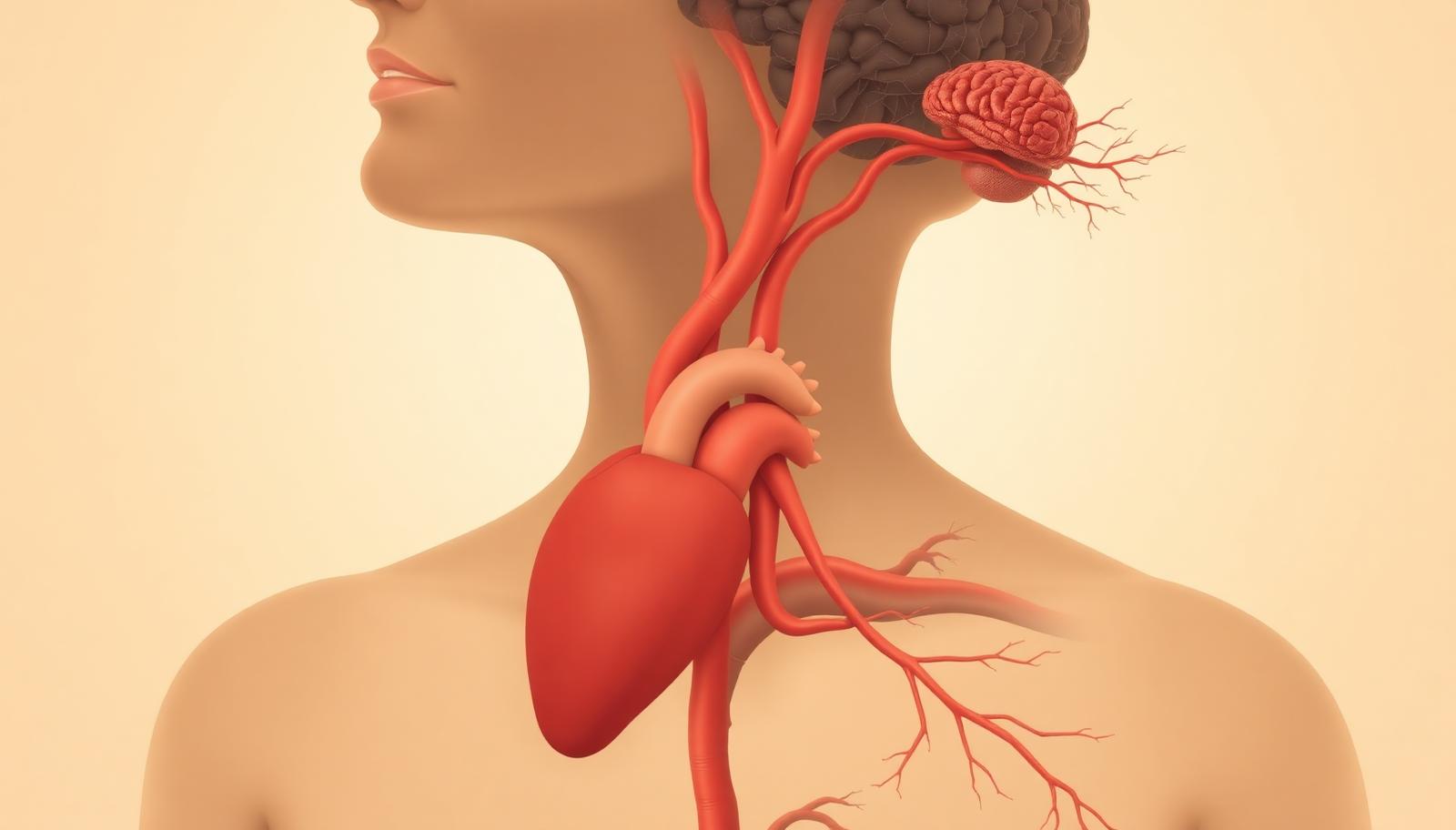
Exercise: One of the Most Interesting Brain–Blood Flow Connections
Exercise challenges the cardiovascular system: heart rate rises, blood flow changes, endothelial shear stress increases and vascular signalling adapts. It also affects the brain. Research has associated regular physical activity with benefits across cardiovascular health, cerebral blood flow, neuroplasticity and cognitive ageing. [9]
Exercise influences numerous mechanisms simultaneously:
- vascular function
- metabolic health
- blood pressure
- insulin sensitivity
- neurotrophic signalling
- physical fitness
NO-related signalling is only one component — another reason supporting brain health works better as a systems strategy than as a search for one "brain molecule".
Can Exercise Increase Blood Flow to the Brain?
Yes — but the biology is nuanced. Cerebral blood flow changes with exercise intensity. At moderate intensities, global cerebral blood flow often increases; at very high intensities, changes in ventilation and carbon dioxide can alter the response, and different brain regions may behave differently.
So "exercise pumps more blood to your brain" contains some truth but oversimplifies a sophisticated regulatory system. The more useful conclusion: exercise challenges and trains the integrated cardiovascular and cerebrovascular systems upon which healthy brain function depends.
What About Food?
Nitrate-Rich Vegetables
Leafy greens and beetroot provide dietary nitrate, which the body can convert onward.
Arginine-Containing Foods
Nuts, seeds, legumes, fish and other protein foods provide L-arginine — the substrate used by nitric oxide synthase enzymes.
Citrulline
Watermelon provides L-citrulline, which can be converted into arginine, helping replenish circulating arginine availability.
Colourful Plant Foods
Berries, plums, grapes and other colourful fruits and vegetables provide polyphenols and other phytochemicals relevant to broader cardiovascular and neurological nutrition.
No single food "feeds the brain" by itself. A diverse dietary pattern matters more.
Beetroot and Cerebral Blood Flow: An Interesting Research Area
Because dietary nitrate can increase nitrate and nitrite availability, researchers have investigated whether nitrate-rich foods influence cerebral blood flow. A notable human study in older adults found that a high-nitrate diet increased regional cerebral perfusion in areas of the frontal lobe associated with executive functioning, although it did not increase global cerebral blood flow. [11]
That distinction matters. The study did not prove that beetroot improves cognition — but it did demonstrate that dietary nitrate can influence aspects of regional brain perfusion, providing an intriguing bridge between nutrition, NO biology, vascular function and brain ageing.
Why "More Nitric Oxide" Is Not Always Better in the Brain
Nitric oxide is biologically beneficial in some contexts, but NO chemistry can also become damaging under certain conditions. When excessive NO production occurs alongside high levels of reactive oxygen species, reactive nitrogen species such as peroxynitrite can form, contributing to oxidative and nitrosative stress. iNOS activation during inflammation can also produce much larger and more sustained NO output than normal eNOS or nNOS signalling. [12]
It would therefore be scientifically wrong to say "the more nitric oxide your brain has, the better."
- Location matters
- Concentration matters
- Timing matters
- The enzyme producing NO matters
- The oxidative environment matters
Healthy NO biology is about balance, not maximisation.
What About "Brain Fog"?
People use the term to describe difficulty concentrating, mental fatigue, forgetfulness, slower thinking or simply not feeling mentally sharp. But brain fog is not a specific nitric-oxide diagnosis. Many things can contribute — poor sleep, stress, medications, dehydration, metabolic issues, illness, nutritional deficiencies, hormonal changes and numerous medical conditions.
Supporting healthy circulation is sensible. Self-diagnosing cognitive symptoms as an NO deficiency is not. Persistent or worsening cognitive changes deserve appropriate medical evaluation.
Cognition After 50: Think Vascular as Well as Neural
Conversations about maintaining cognition often focus on puzzles, memory games and "brain foods". Healthy cognitive ageing has a much broader foundation:
- Move regularly and exercise
- Control blood pressure appropriately
- Don't smoke
- Maintain metabolic health
- Sleep adequately
- Stay socially and mentally engaged
- Eat a high-quality diet
Many of these strategies support both cardiovascular and brain health. That is not coincidence — the brain depends upon the cardiovascular system every second of your life.
The Brain Has a Remarkable Protection System
Cerebral circulation has an important ability called autoregulation. Across a range of conditions, cerebral blood vessels adjust resistance to help maintain relatively stable brain blood flow despite changes in systemic blood pressure, protecting brain tissue from every fluctuation occurring elsewhere in the circulation.
Autoregulation has limits, but it reinforces a larger theme: the brain does not simply accept whatever blood flow the heart sends it. It actively regulates its own circulation, and NO participates within that sophisticated network of vascular control alongside many other mechanisms.
Small Vessels Matter
When people think about circulation they usually picture large arteries. But the brain contains an extraordinary network of very small vessels. Arterioles and capillaries bring blood extremely close to active neurons, allowing oxygen and glucose to move from blood toward brain tissue.
The health of this microcirculation is therefore an important component of long-term brain health. Endothelial health isn't only about major arteries — it matters all the way down into the microvasculature.
Where ėNOS Fits Into the Brain-Health Conversation
ėNOS by Australiana Life is not a cognitive drug and should not be presented as a treatment for memory loss or neurological disease. Its relevance to brain health comes through a more fundamental pathway: vascular and nitric-oxide support.
ėNOS was formulated to nutritionally support the body's natural NO-production system. Central to the formulation are L-arginine and L-citrulline. Arginine provides the substrate used directly by endothelial nitric oxide synthase; citrulline provides a complementary route that can help replenish circulating arginine availability.
Additional deliberately selected nutrients and Australian plant ingredients complement the broader nutritional approach. So the appropriate benefit story is not "ėNOS makes you smarter." It is:
ėNOS supports the body's natural endothelial NO pathway and healthy circulation — part of the vascular foundation upon which normal brain function depends.
Heart Health and Brain Health Have More in Common Than We Once Thought
Taking care of your brain does not begin at the skull. The brain depends upon:
- a functioning heart
- healthy blood vessels
- appropriate blood pressure
- metabolic health
- oxygen delivery
- glucose delivery
- a responsive microcirculation
Nitric oxide participates at the intersection of several of these systems. eNOS helps regulate vascular function; nNOS participates in neuronal signalling; NO contributes to neurovascular coupling; dietary nitrate provides another route into NO biology; and exercise influences both vascular and neural systems.
Supporting the brain means supporting the body that supplies it.
Think Clearly About Brain Health
The internet is filled with products promising memory enhancement, mental clarity, focus, brain blood flow and protection against cognitive decline. Those are substantial claims. The science of nitric oxide gives us a more responsible perspective. We know that:
- the brain requires continuous blood flow
- cerebral vessels actively regulate that flow
- NO participates in vascular regulation
- neuronal NO participates in signalling
- neurovascular coupling matches local blood supply with neural activity
- vascular health is increasingly recognised as an important component of healthy cognitive ageing
That is already powerful biology; we do not need to exaggerate it. Look after your brain. Look after your heart. Look after your blood vessels. Biologically, they were never separate systems to begin with.
Scientific References
[1] Raichle ME, Gusnard DA. Appraising the brain's energy budget. PNAS. 2002;99(16):10237–10239.
Discussion of the brain's disproportionately high metabolic and energy requirements.
View on PubMed →[2] Iadecola C. The Neurovascular Unit Coming of Age: A Journey through Neurovascular Coupling in Health and Disease. Neuron. 2017;96(1):17–42.
Major review of neurovascular coupling and interactions among neurons, glia and cerebral blood vessels.
View on PubMed →[3] Toda N, Ayajiki K, Okamura T. Cerebral blood flow regulation by nitric oxide in neurological disorders. Can J Physiol Pharmacol. 2009;87(8):581–594.
Review of NO in the regulation of cerebral vascular tone and blood flow.
View on PubMed →[4] Faraci FM, Brian JE Jr. Nitric oxide and the cerebral circulation. Stroke. 1994;25:692–703.
Foundational review of nitric oxide and cerebral vascular regulation.
View on PubMed →[5] Garthwaite J. Concepts of neural nitric oxide-mediated transmission. Eur J Neurosci. 2008;27(11):2783–2802.
Review of NO as a neuronal signalling molecule.
View on PubMed →[6] Hardingham N, Dachtler J, Fox K. The role of nitric oxide in pre-synaptic plasticity and homeostasis. Front Cell Neurosci. 2013;7:190.
Review of neuronal NO and synaptic plasticity.
View on PubMed →[7] Gorelick PB, Scuteri A, Black SE, et al. Vascular Contributions to Cognitive Impairment and Dementia. Stroke. 2011;42:2672–2713.
American Heart Association / American Stroke Association scientific statement examining vascular factors in cognitive health.
View on PubMed →[8] Iadecola C, Yaffe K, Biller J, et al. Impact of Hypertension on Cognitive Function: A Scientific Statement From the American Heart Association. Hypertension. 2016;68:e67–e94.
Scientific statement on blood pressure and long-term cognitive and cerebrovascular health.
View on PubMed →[9] Erickson KI, Hillman C, Stillman CM, et al. Physical Activity, Cognition, and Brain Outcomes: A Review of the 2018 Physical Activity Guidelines. Med Sci Sports Exerc. 2019;51(6):1242–1251.
Review of physical activity in relation to cognition and brain outcomes.
View on PubMed →[10] Lundberg JO, Weitzberg E, Gladwin MT. The nitrate–nitrite–nitric oxide pathway in physiology and therapeutics. Nat Rev Drug Discov. 2008;7:156–167.
Landmark review of the dietary nitrate route to nitric oxide.
View on PubMed →[11] Presley TD, Morgan AR, Bechtold E, et al. Acute effect of a high nitrate diet on brain perfusion in older adults. Nitric Oxide. 2011;24(1):34–42.
Human study examining dietary nitrate and regional cerebral perfusion in older adults (PMID: 20951824).
View on PubMed →[12] Calabrese V, Mancuso C, Calvani M, Rizzarelli E, Butterfield DA, Stella AMG. Nitric oxide in the central nervous system: neuroprotection versus neurotoxicity. Nat Rev Neurosci. 2007;8:766–775.
Review illustrating the context-dependent effects of NO within the nervous system.
View on PubMed →
Continue Exploring NO, Circulation and Healthy Aging
- Healthy Circulation After 50: Why Blood Flow Matters →
Understand why vascular responsiveness becomes increasingly important through midlife and beyond.
- What Is eNOS? The Enzyme Behind Natural Nitric Oxide Production →
Explore the endothelial enzyme at the centre of vascular NO production.
- Nitric Oxide and Blood Flow: How Are They Connected? →
Follow NO signalling from the endothelial cell to changes in vascular tone.
- Nitric Oxide and Aging: What Changes After 40, 50 and Beyond? →
See why NO bioavailability and endothelial function can change with age.
- Foods That Support Natural Nitric Oxide Production →
Explore nitrate-rich vegetables, arginine-containing foods, watermelon and other nutritional pathways.
SUPPORT THE CIRCULATION YOUR BRAIN DEPENDS ON
The brain depends on a healthy vascular supply every minute of every day. Discover how L-arginine, L-citrulline and complementary nutritional support for the body's natural endothelial NO pathway influenced the formulation of ėNOS.
EXPLORE ĖNOS →This article is provided for educational purposes only and is not intended as medical advice or to diagnose, treat, cure or prevent cognitive, neurological or cardiovascular disease. ėNOS is a dietary supplement designed to support the body's natural nitric-oxide system and healthy circulation; it is not intended to treat cognitive impairment or memory disorders. Persistent or worsening cognitive changes should be discussed with a qualified healthcare professional.
More in Lifestyle & Healthy Aging
- Nitric Oxide & Exercise Performance
- Nitric Oxide & Exercise Recovery
- Lifestyle Habits That Support Healthy Nitric Oxide Production
- Exercise & Nitric Oxide: Why Movement Matters
- Can a Sedentary Lifestyle Affect Nitric Oxide & Circulation?
- Diet & Nitric Oxide: How Everyday Food Choices Matter
- Sleep, Cardiovascular Health & Nitric Oxide: What Do We Know?
- Smoking, Vascular Health & Nitric Oxide
- Nitric Oxide, Energy & Staying Active as We Age
- Nitric Oxide & Men's Sexual Health: The Blood-Flow Connection
- Nitric Oxide & Oral Health: The Surprising Connection
- Nitric Oxide & Aging: What Changes After 40, 50 and Beyond?
- Why Does Nitric Oxide Production Change With Age?
- Healthy Aging: Supporting Circulation, Blood Flow & Nitric Oxide After 50
About Our Health & Science Content
Australiana Life Health & Science articles are based on published scientific research and written to make complex health and nitric oxide science easier to understand. Our educational content undergoes scientific review for accuracy and appropriate interpretation of the evidence and is updated as relevant scientific understanding evolves.